The Ultimate Guide to Automating Your Contract Management Workflow
Manual contract management slows operations, increases errors, and exposes businesses to unnecessary risk. Without automation, tracking obligations, approvals, and renewals becomes a time-consuming process that reduces efficiency.
An automated contract management workflow streamlines contract creation, execution, and compliance monitoring. Organizations can reduce manual intervention, improve accuracy, and ensure contracts move through the necessary stages without delays. AI-powered tools, automated audit trails, and seamless integrations with business applications enhance visibility and control.
This guide explores the key benefits of automating contract management workflows, how AI-driven tools improve efficiency, and how businesses can get started with implementation.
Quick Takeaways
- Automating contract workflows eliminates manual tasks, reduces errors, and accelerates approvals.
- AI-driven tools analyze contracts, identify compliance gaps, and ensure regulatory adherence.
- Connecting contract management with ERP, CRM, and eSignature tools improves data consistency and execution speed.
- Defining goals, training teams, and phasing in automation ensures a smooth transition to an optimized contract workflow.
😉 Learn how Coca-Cola Bottling Company UNITED mitigated contract risk and streamlined its processes with automation in this case study here.
Why Automate Your Contract Management Workflow?
Managing contracts manually creates inefficiencies that slow down operations and increase compliance risk. Delays in approvals, lost documents, and missed renewal deadlines can lead to financial losses and strained relationships with suppliers and vendors. Without automation, teams spend valuable time tracking contract status instead of focusing on strategic initiatives.
Automating the contract management workflow eliminates these issues by standardizing processes, ensuring accuracy, and reducing administrative overhead:
- Automated routing moves contracts through approval stages without bottlenecks.
- AI-powered data extraction captures critical information instantly, reducing human error.
- Built-in audit trails maintain a transparent record of all changes, enhancing accountability.
By reducing reliance on manual tasks, businesses improve contract cycle times, mitigate risk and ensure compliance.
Enhancing Compliance and Risk Mitigation with Automation
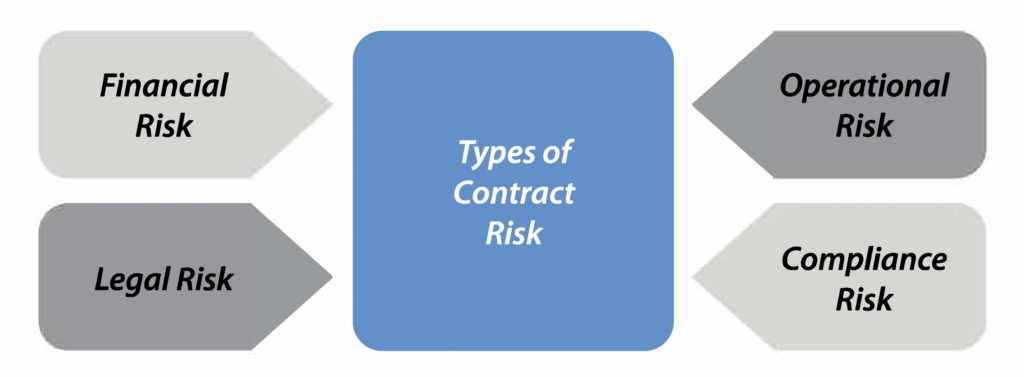
Failure to manage contract obligations and compliance can lead to unnecessary risk. Tracking regulatory requirements, industry standards, and internal policies is difficult without a structured system. Manual processes increase the likelihood of missing critical deadlines, leading to financial penalties and legal disputes.
Ensuring Transparency with Automated Audit Trails
Automated audit trails maintain a record of contract-related actions, ensuring transparency and accountability. Every approval, modification, and renewal is documented, reducing disputes and improving contract oversight.
Improving Compliance with AI-Powered Contract Analysis
AI-powered tools analyze contract language to identify compliance gaps and flag potential risk before they escalate. Automated approval workflows help enforce internal policies by ensuring contracts meet regulatory and business requirements before execution.
Reducing Risk with Obligation and Renewal Management
Automation also streamlines obligation and renewal management. Configured alerts and reminders ensure businesses meet deadlines and fulfill contract terms on time. This reduces the risk of penalties or disruptions caused by missed renewals.
Enhancing Security with Role- and Permission-Based Access Controls
Security and access controls add another layer of protection by restricting contract visibility based on user roles and permissions. This prevents unauthorized access and ensures compliance with data privacy regulations.
Integrating Contract Management with Business Applications
Contract data does not exist in isolation. Procurement, legal, finance, and sales teams rely on contract information to make informed decisions. Without integration, contract data remains siloed, leading to inefficiencies, duplicate work, and inconsistencies across systems.
Improving Efficiency with System Integrations
Connecting contract management workflows with business applications like ERP, CRM, and BI platforms improves efficiency and data consistency. Automated data synchronization ensures that contract terms, obligations, and financial details are accurately reflected across all relevant systems. This eliminates manual data entry and reduces errors.
Accelerating Execution with eSignature Tools
Integrating eSignature tools further accelerates contract execution. Digital signatures allow contracts to move through approvals and finalization faster while maintaining security and compliance.
Standardizing Processes Across Departments
Compatibility with ITSM and HRMS solutions helps standardize contract-related processes across departments, making contract management more seamless and effective.
The Role of AI in Contract Workflow Automation
AI transforms contract management by automating data extraction, identifying risk, and improving decision-making. Instead of manually reviewing contract terms, businesses can rely on AI-driven tools to analyze language, extract key details, and flag potential compliance issues.
Automating Contract Analysis and Data Extraction
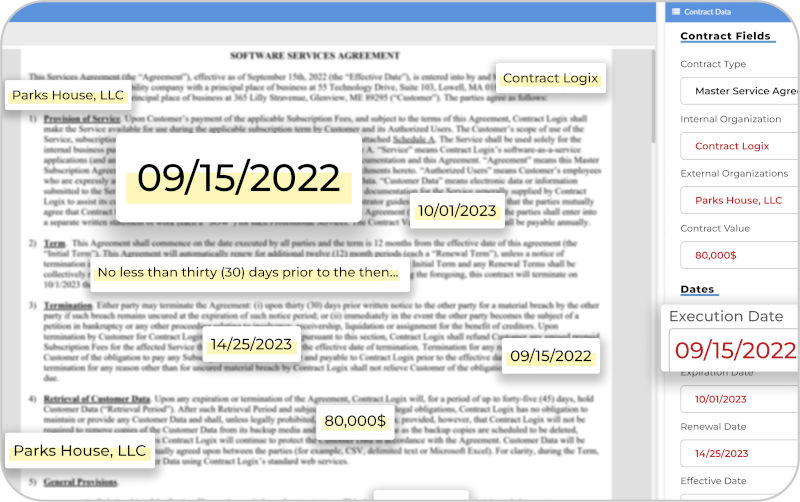
Machine learning models identify patterns in contract performance, helping organizations predict risk and optimize contract terms. Automated clause recognition ensures consistency across agreements, reducing discrepancies and ensuring contracts align with business policies.
Enhancing Accuracy and Decision-Making
By incorporating AI into contract management workflows, businesses gain deeper insights into contract data, improve accuracy, and free up legal and procurement teams to focus on strategic initiatives rather than administrative tasks.
How to Get Started with Contract Management Workflow Automation
Automating contract management requires a structured approach to ensure a smooth transition. Businesses should start by evaluating their current contract processes and identifying inefficiencies that automation can address. This includes assessing approval bottlenecks, compliance gaps, and manual data entry tasks.
Defining Automation Goals
Organizations should determine their primary objectives, whether improving compliance, reducing contract cycle times, or streamlining integrations. Having clear goals helps in selecting the right contract management solution.
Implementing a Phased Approach
Adopting an automation strategy involves training teams to adapt to new workflows. Establishing role-based permissions, configuring automated alerts, and integrating contract data with business applications ensure a seamless implementation.
Transform Contract Management Today with Contract Logix
Automating your contract management workflow reduces manual effort, improves compliance, and ensures contracts move through their lifecycle efficiently. By adopting automation, businesses can streamline operations and gain better control over their contracts.
Ready to streamline your contract management workflow? Discover how Contract Logix can help your organization automate processes, enhance compliance, and improve contract visibility. Contact us or schedule a demo today!
Navigate CLM Success With Contract Logix
Download our Data Extraction Product Brief to learn how you can begin to navigate CLM success by automating the hard work using artificial intelligence with one of the best Contract Management Software’s on the market today
Connect With Us:


Call Us
1-866-371-4445
Address
Contract Logix, LLC
55 Technology Drive
Suite #103
Lowell, MA 01851
All trademarks and registered trademarks are the property of their respective owners
Copyright 2026 Contract Logix, LLC All Rights Reserved